

Types Of Hearing Loss
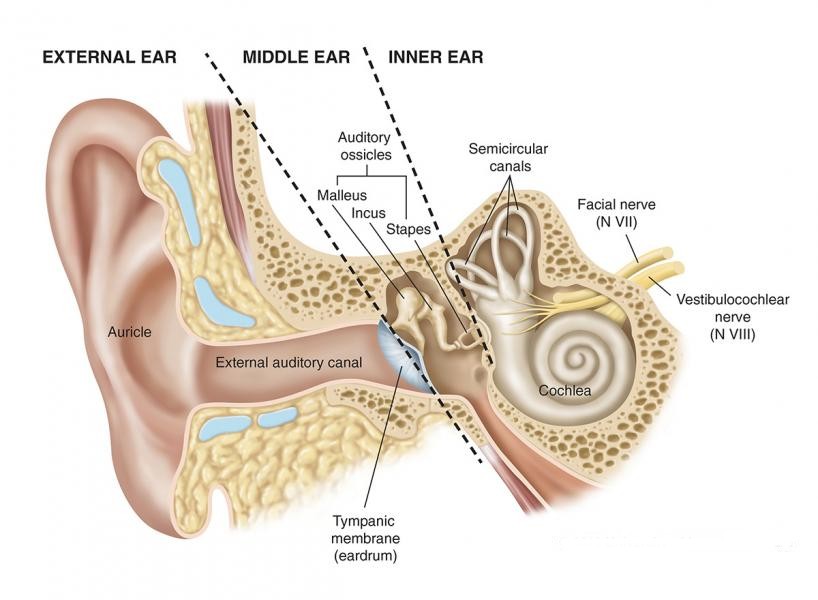
Conductive Hearing Loss (CHL): Hearing loss caused by something that stops sounds from getting through the outer or middle ear. This type of hearing loss can often be treated with medicine or surgery.
Sensorineural Hearing Loss (SNHL): Hearing loss that occurs when there is a problem in the way the inner ear or hearing nerve works. Morethan 90% of all hearing aid wearers have sensorineural hearing loss. The most common causes of sensorineural hearing loss are; age related changes, noise exposure, inner ear blood circulation, inner ear fluid disturbances and problems with the hearing nerve.
Mixed Hearing Loss (MHL): Hearing loss that includes both a conductive and a sensorineural hearing loss.
Auditory Neuropathy Spectrum Disorder: Hearing loss that occurs when sound enters the ear normally, but because of damage to the inner ear or the hearing nerve, sound isn’t organized in a way that the brain can understand.

| Do you have a hearing loss?Early signs may be subtle – your friend or partner may often repeat herself, or you may have difficulty hearing at a party or family gathering. As your hearing loss gets worse, it will be more difficult to understand the world around you. It’s important to take action now. |
| Look for these hearing loss signs
|

| Age-related hearing loss - PresbyacusisAs we get older we lose our hearing. Some people get an age-related hearing loss earlier than others. Age-related hearing loss is also called Presbyacusis. Statistically we all begin to lose our hearing when we are in our 40s. One adult in five and more than half of all people over the age of 80 suffer from hearing loss. However, more than half of the hearing impaired population are of working age.Most people with Age-related hearing loss, first experience a decline in their ability to hear high frequency speech sounds. |
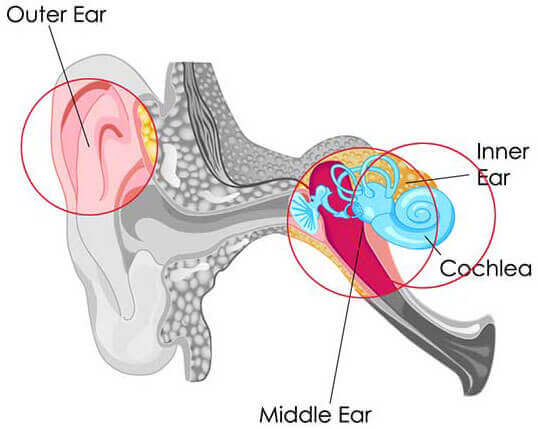
| Understanding hearing lossIn order to fully understand what hearing loss is, it is necessary to understand the function of the hearing system. The complete hearing system is responsible for our sense of hearing. It picks up acoustic sound waves and transforms them into neural codes, which can be interpreted by the brain. The hearing system consists of three main sections: The outer ear, The middle ear, The inner ear. When there is a damage to any part of the path that sound takes through the hearing system, hearing ability may be comprised. Only certain types of hearing loss can be treated with medicine or surgery, while most others will benefit from the use of hearing aids. |
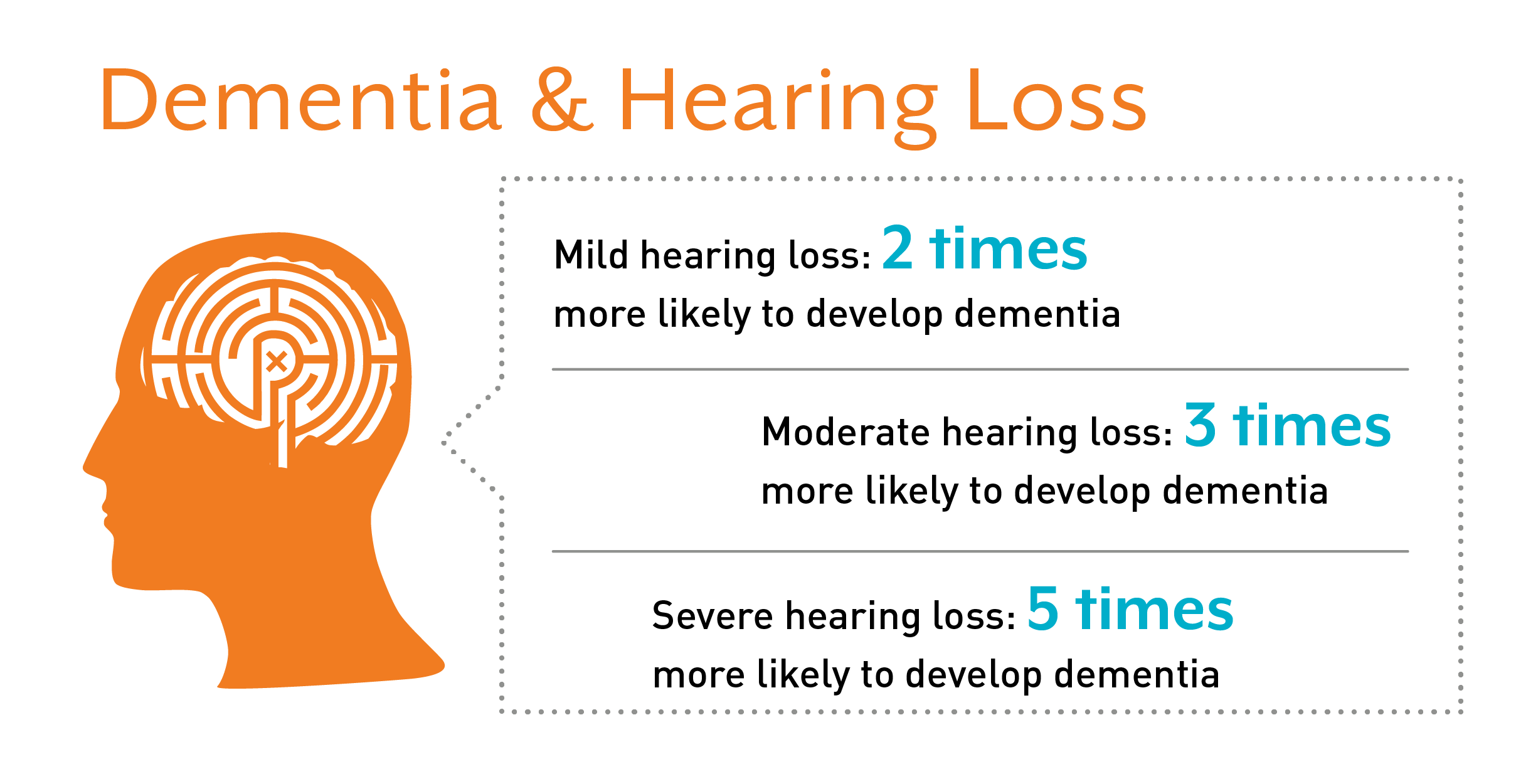
| Dementia and hearing lossHearing loss and dementia are more common as you get older. The latest research shows that’s no coincidence. Scientists are finding more and more evidence that trouble with hearing makes you more likely to go on to have dementia, a condition marked by memory loss and trouble with thinking, problem-solving, and other mental tasks. Scientific studies have shown that the use of hearing aids reduce the risk of cognitive decline and of developing dementia. Adults with hearing loss are significantly more likely than adults with normal hearing to develop dementia |

| DISCRIMINATION HEARING LOSS
|

| Hearing Loss In InfantsMany parents suspect early on that their baby can’t hear. When a newborn isn’t frightened by loud noises, or a 5 or 6 month-old baby doesn’t react to the sound of their own name, this may suggest that they have a hearing loss. Older kids who can’t hear properly may turn up the volume on the TV or computer very high, or fail to respond when a parent speaks. Your baby has hearing loss if:
|

| Hearing loss in childrenHearing loss can affect a child’s ability to develop speech, language, and social skills. Caring about your child's hearing is extremely important because it affects his or her ability to learn, socialise and communicate. Most children experience temporary hearing loss due to earwax or Otitis Media. Otitis media is the most common cause of hearing loss among children. Otitis Media is painful for your child and may lead to hearing loss.
|