

COCHLEAR IMPLANTS
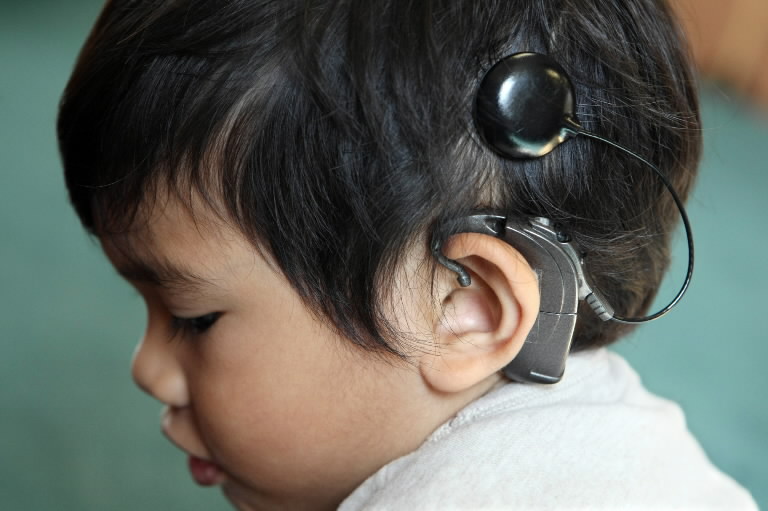
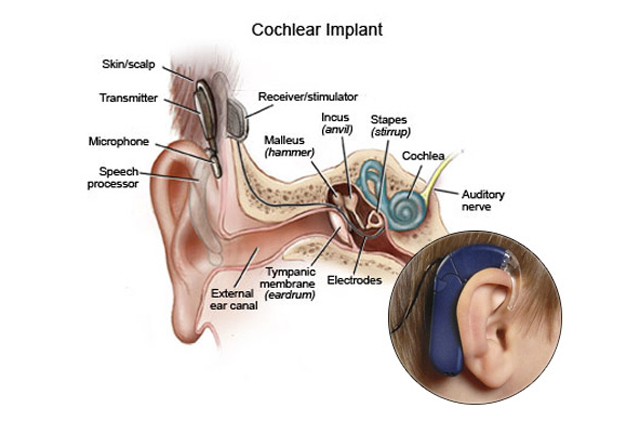
| A cochlear implant is a surgically implanted neuroprosthetic device that provides a sense of sound to a person with severe to profound sensorineural(SNHL) hearing loss. Cochlear implants bypass the normal acoustic hearing process, instead replacing it with electric signals which directly stimulate the auditory nerve. |
HOW DOES A HEARING IMPLANT WORK
| 
|

| criteria for Cochlear ImplantAccording to current criteria ( FDA, Govt. of India, ADIP scheme), the indications for cochlear implantation are bilateral Severe-profound sensorineural hearing loss (SNHL) for children ages 12-24 months with limited or No benefits from hearing aids with minimum 6 months of continuous uses of hearing aids & extensive auditory training and speech therapy.
|
Hope beyond hearing aidsAccording to WHO report, Over 5% of the world's population – or 466 million people – has disabling hearing loss (432 million adults and 34 million children). It is estimated that by 2050 over 900 million people – or one in every ten people – will have disabling hearing loss. From 34 million children worldwide have hearing loss and 2 out of 1000 babies born deaf and upto 5 babies in every 1,000 babies are born with hearing loss or lose their hearing soon after birth. Hearing aids make sounds louder. Cochlear implants are different; they bypass the damaged part of the ear and stimulate the hearing nerve directly. Cochlear implants enhance the clarity of sounds and improve your ability to understand speech. It may also help you to regain confidence in social situations, rejoin friends and family and live a fuller life.In a recent study, people with cochlear implants could understand sentences eight times better than they could previously with their hearing aids. | 
|
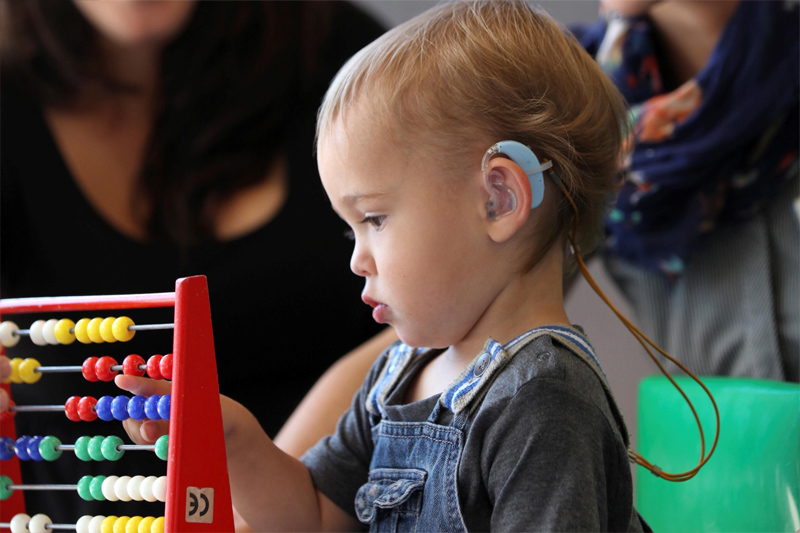
| Auditory Verbal Therapy (AVT)Auditory-verbal therapy is a method for teaching deaf children to listen and speak using their residual hearing in addition to the constant use of amplification devices such as hearing aids, FM devices, and cochlear implants. Auditory-verbal therapy emphasizes speech and listening WITHOUT the use of sign language or lip reading. AVT Observations will include children at various stages of Auditory-Verbal development, including children utilizing both hearing aids and cochlear implants, within a variety of therapy activities and teaching styles. |
Benefits of Cochlear Implants
| 
|

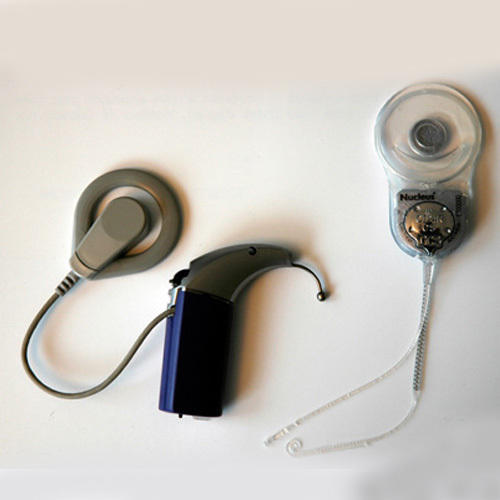
| Cochlear Implant Mapping & ProgrammingMapping or programming a cochlear implant to the specifications and needs of its user. MAPs are programs that help to optimize the cochlear implant user's access to sound by adjusting the input to the electrodes on the array that is implanted into the cochlea. Cochlear implants (CI) processors must be appropriately programmed and customized for the recipient.During the first programming appointments, most people do not understand the information the implant is providing them. The goal is to get your nerves and brain used to hearing again. Over the following months, the implant stimulation patterns will be understood by the brain, providing comprehension of speech. As your hearing becomes more sensitive, programming will consist of adjustments to accommodate the changes. |